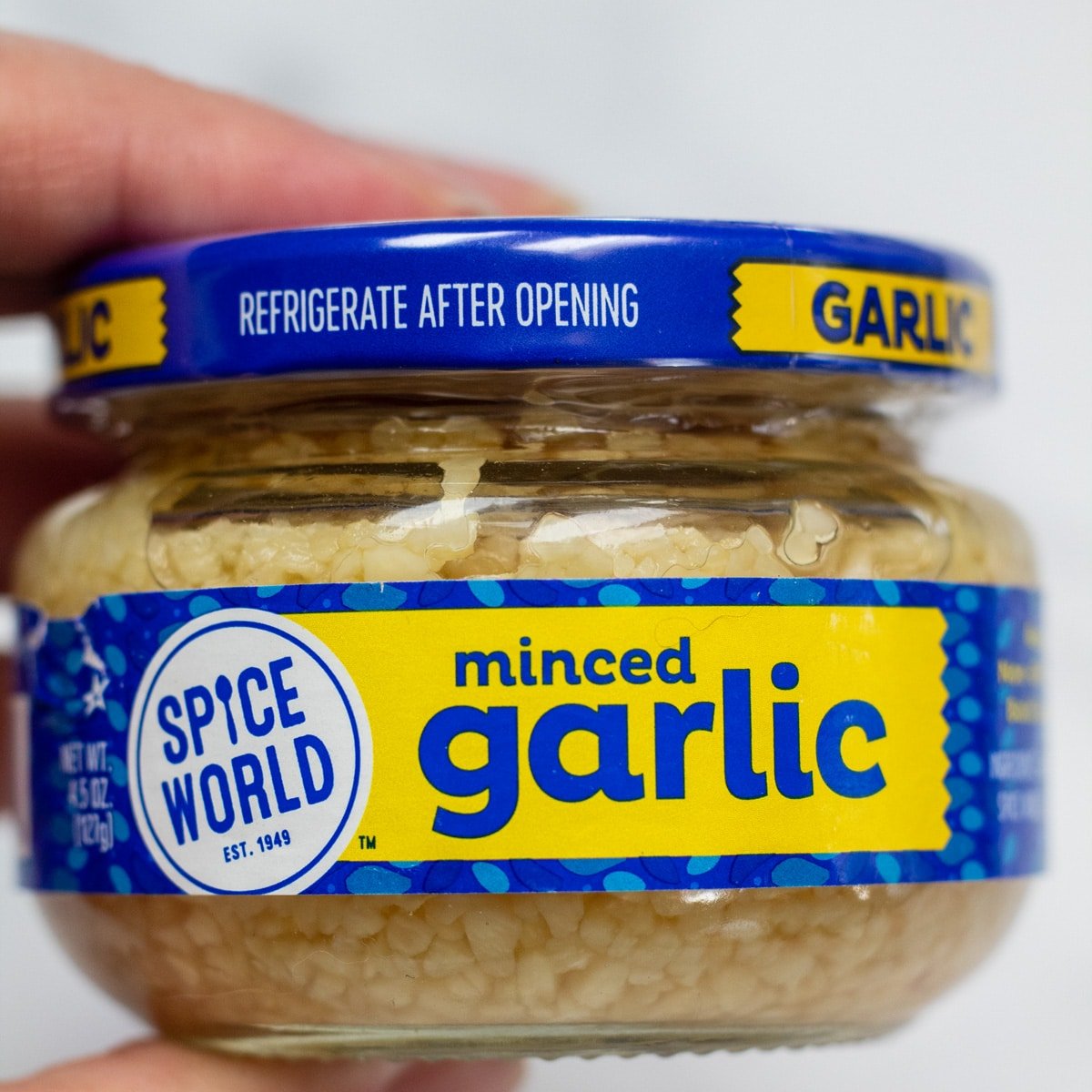
Garlic Conversion Guide: Cloves to Minced, Powder, & Paste
Garlic is undeniably a cornerstone of global cuisine, revered for its pungent aroma and unparalleled flavor-boosting capabilities. From the rustic charm of whole roasted cloves to the subtle infusion of garlic oil, its versatility is unmatched. Yet, for many home cooks, a common kitchen conundrum arises: a recipe calls for a specific form of garlic, but you only have another on hand. How do you accurately convert one to another? Specifically,
how much minced garlic equals a clove, and how do you navigate the often-confusing world of garlic powder, paste, and flakes? This comprehensive guide will demystify garlic conversions, ensuring you always choose the perfect amount for your culinary creations.
The Variability of the Humble Garlic Clove
Before diving into precise measurements, it's crucial to acknowledge that not all garlic cloves are created equal. The size of a garlic clove can vary significantly depending on the variety, growing conditions, and even its position within the bulb. A typical grocery store garlic bulb usually contains 10-12 cloves, with individual cloves often weighing between 4-7 grams. However, some large cloves can be much bigger, while smaller ones might barely register. This inherent variability means that while we can provide excellent general guidelines, a small degree of estimation and personal preference will always play a role in achieving your desired garlic intensity.
The Core Conversion: Cloves to Minced Garlic
The most frequent conversion challenge is determining how much minced garlic equals a fresh clove. This is a fundamental conversion for countless recipes that rely on fresh garlic's vibrant flavor.
General Rule of Thumb:
* One medium-sized fresh garlic clove typically yields approximately
½ teaspoon of finely minced garlic.
Let's expand on this to provide a clearer reference for various quantities:
- 1 garlic clove = ½ teaspoon of minced garlic
- 2 garlic cloves = 1 teaspoon of minced garlic
- 3 garlic cloves = 1 ½ teaspoons of minced garlic
- 4 garlic cloves = 2 teaspoons (or 1 tablespoon minus 1 teaspoon) of minced garlic
Minced Garlic to Tablespoons: The Math Behind the Clove
When a recipe calls for tablespoons of minced garlic, the conversion becomes even more critical. Given that 1 tablespoon equals 3 teaspoons, we can easily calculate the clove equivalent:
* Since 1 teaspoon of minced garlic is equivalent to 2 medium cloves, then...
*
1 tablespoon of minced garlic (which is 3 teaspoons) = 3 teaspoons x 2 cloves/teaspoon =
6 medium garlic cloves.
It's worth noting that some older or less precise guidelines might suggest 3 cloves per tablespoon. This discrepancy often arises from referring to 'chopped' or 'crushed' garlic rather than 'minced' garlic. Chopped garlic consists of larger pieces, taking up more volume per clove. For a fine mince, however, six medium cloves per tablespoon is a more accurate and robust guideline. Larger cloves, of course, might reduce this number slightly, with a very large clove potentially yielding closer to 1 teaspoon of minced garlic on its own.
Practical Tip: When mincing garlic, ensure your knife is sharp and your cuts are fine and consistent. The finer the mince, the more surface area is exposed, leading to a more potent flavor release in your dish. If using a garlic press, the output is often considered "crushed" rather than "minced," and may provide a slightly different yield or intensity profile.
Beyond Minced: Converting Fresh Cloves to Other Garlic Forms
While fresh minced garlic is often preferred, sometimes you need a convenient substitute. Understanding these conversions will save you time and ensure your dish doesn't miss that essential garlicky kick.
Fresh Cloves to Garlic Powder
Garlic powder is made from dehydrated garlic that has been finely ground. It offers a concentrated flavor and is excellent for rubs, marinades, or dishes where you want an even distribution of garlic without the texture of fresh cloves.
*
1 medium fresh garlic clove is roughly equivalent to
¼ to ½ teaspoon of garlic powder.
Always start with the smaller amount (¼ tsp) and add more if needed, as garlic powder can be surprisingly potent. It's best incorporated early in cooking, often mixed with other dry spices, to allow its flavor to bloom.
Fresh Cloves to Garlic Flakes/Granules
Dried garlic flakes or granules are essentially dehydrated garlic that hasn't been ground as finely as powder. They will rehydrate during cooking, offering a texture closer to chopped fresh garlic.
*
1 medium fresh garlic clove is approximately equivalent to
½ teaspoon of dried garlic flakes or granules.
These are ideal for dishes with some moisture, like soups, stews, or casseroles, where they have time to rehydrate and soften.
Fresh Cloves to Garlic Paste/Puree
Garlic paste, whether homemade or store-bought, is essentially fresh garlic that has been finely pureed, often with a little oil or salt to preserve it. It offers a smooth texture and is incredibly convenient.
* When replacing *minced garlic* with paste, a
1:1 ratio is generally recommended.
* Therefore, if 1 medium fresh clove yields ½ teaspoon of minced garlic, then
1 medium fresh garlic clove is equivalent to
½ teaspoon of garlic paste.
Garlic paste is fantastic for quick sautés, marinades, dressings, or spreading on toast. Its smooth consistency integrates seamlessly into sauces.
Fresh Cloves to Garlic Salt
Garlic salt is a seasoning blend, typically composed of three parts salt to one part garlic powder. When using garlic salt as a substitute, it's crucial to remember its salt content and adjust other sodium in your recipe accordingly.
*
1 medium fresh garlic clove is approximately equivalent to
½ teaspoon of garlic salt.
This substitution is best for dishes where you're also adding salt, such as rubs for meats, seasoning vegetables, or in bread dough. Remember to taste as you go to avoid over-salting!
Fresh Cloves to Garlic-Infused Olive Oil
Garlic-infused olive oil is a wonderful way to impart subtle garlic flavor without any solids. It's also a popular option for those on a low-FODMAP diet, as the FODMAPs in garlic are water-soluble and don't leach into the oil.
* There isn't a direct volume conversion from cloves to infused oil. Instead, you would
replace the cooking oil called for in your recipe with an equal amount of garlic-infused olive oil.
This substitution works beautifully for dressings, finishing dishes, or sautéing vegetables where a gentle, background garlic note is desired.
Factors Affecting Your Garlic Conversions
While our conversion guidelines provide an excellent starting point, several factors can influence the final outcome and your personal preference:
Clove Size and Type
As mentioned, the size of a clove makes a difference. A "medium" clove is an average, but if you have particularly small or large cloves, you'll need to adjust your measurements. Furthermore, different garlic varieties (e.g., strong hardneck vs. milder softneck) can impact pungency.
Method of Preparation
How you process fresh garlic significantly affects its flavor intensity.
- Crushed: Milder, as fewer cells are broken.
- Sliced: Mildest, releases flavor slowly.
- Chopped: Moderate, good for general cooking.
- Minced: Stronger, more cells broken, quicker flavor release.
- Pasted/Grated: Strongest, maximum cell damage, very pungent.
A finely minced or grated clove will taste more potent than a roughly chopped one.
Desired Intensity
Ultimately, your personal palate and the specific dish will dictate how much garlic is "right." Some cuisines or recipes embrace a strong garlic presence, while others require a more delicate touch. Don't be afraid to experiment!
Practical Tips for Garlic Mastery
Navigating garlic conversions confidently is a key step toward becoming a more intuitive cook. Here are some actionable tips to help you master this essential ingredient:
- Trust Your Senses: The best measure is always your nose and taste buds. If you're unsure, add a little less than the conversion suggests, taste, and then add more if needed. It's much easier to add garlic than to remove it!
- Start Small, Especially with Concentrates: Garlic powder and garlic salt are potent. When converting to these forms, always err on the side of caution and add gradually.
- Consider Homemade Garlic Products: Making your own garlic paste or freezing minced garlic can offer superior flavor and freshness compared to some store-bought alternatives, and gives you complete control over ingredients.
- Learn Efficient Peeling and Mincing Techniques: Mastering simple tricks like smashing a clove with the flat side of a knife to remove the skin, or using a microplane for a super-fine mince, can save you time and effort. For more in-depth guidance on handling fresh garlic, you might find our article Master Garlic Conversions: Fresh Cloves to Minced for Recipes particularly helpful.
- Storage Matters: Store whole garlic bulbs in a cool, dry, dark place (not the refrigerator) for weeks. Minced or chopped garlic can be stored in an airtight container in the fridge for a few days or frozen in oil for longer preservation.
Conclusion
Understanding garlic conversions is a powerful skill that elevates your cooking confidence and flexibility. Whether your recipe calls for fresh cloves, a spoonful of minced garlic, or a pinch of powder, you now have the knowledge to make accurate substitutions. Remember that while "how much minced garlic equals a clove" is a fantastic starting point, embracing the nuanced variability of garlic and trusting your own palate will ultimately lead to the most delicious results. So go ahead, experiment with these guidelines, and let the incredible flavor of garlic infuse your dishes with culinary magic!