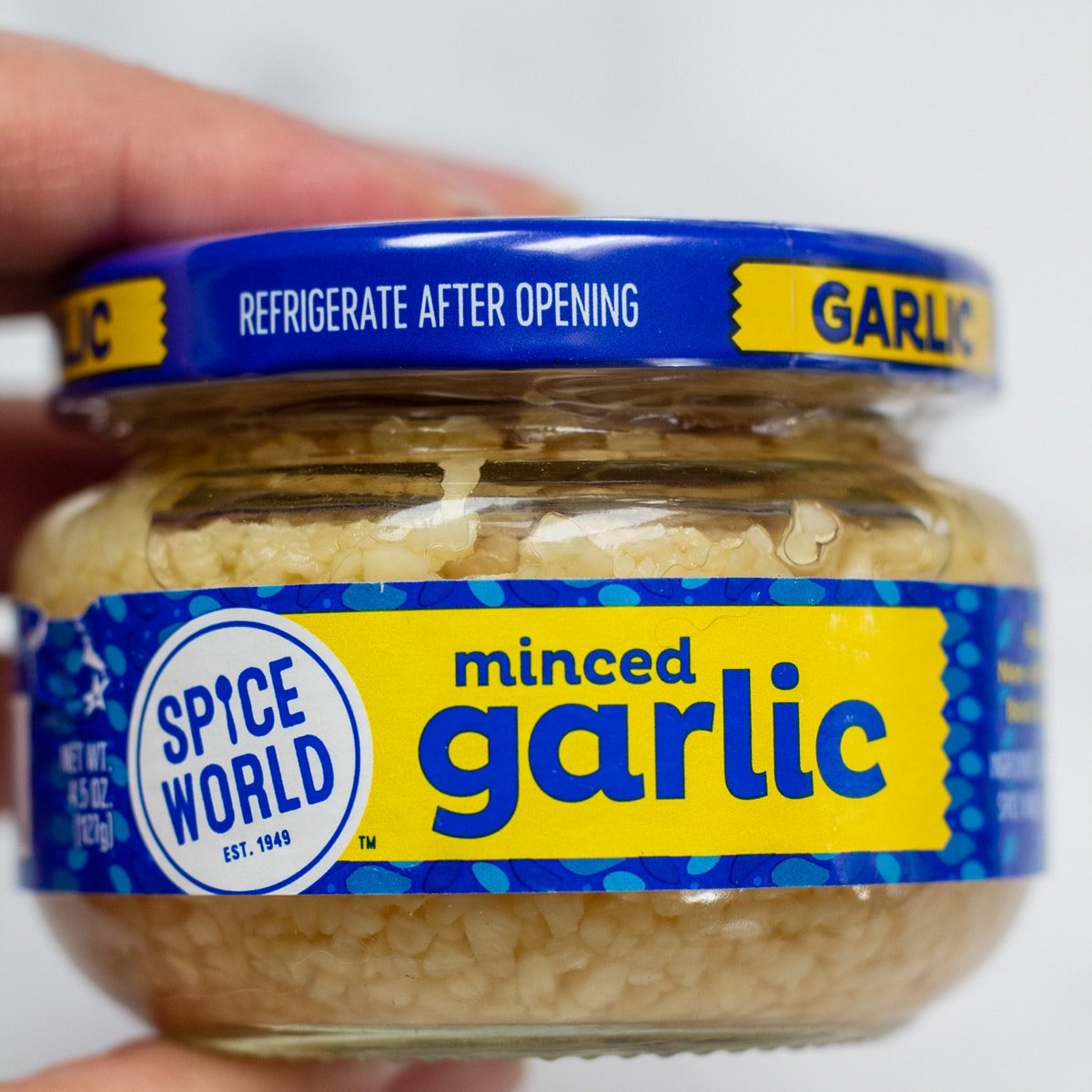
The Golden Rule: How Much Minced Garlic Equals a Clove?
Garlic is the backbone of countless cuisines, delivering an aromatic punch that elevates nearly any dish. From a simple sauté to a complex stew, its presence is often indispensable. Yet, a common culinary conundrum arises for home cooks: how much minced garlic truly equals a single clove? Recipes often toggle between calling for "X number of cloves" and "Y teaspoons of minced garlic," leaving many scratching their heads. Understanding this fundamental conversion is key to cooking with confidence and consistency, ensuring your dishes always hit the right flavor notes.
While garlic cloves themselves are wonderfully inconsistent in size, there's a widely accepted "golden rule" for conversion that serves as an excellent starting point:
One medium garlic clove yields approximately ½ teaspoon of finely minced garlic.
This simple rule is your best friend in the kitchen. It provides a reliable benchmark, allowing you to confidently translate recipe instructions, whether you're working with a fresh bulb or pre-minced garlic from a jar. However, it's essential to remember that this is for *finely minced* garlic. If your recipe implies a rougher chop, the volume might be slightly higher for the same number of cloves.
Breaking Down the Garlic Clove to Teaspoon Conversion
Let's expand on this foundational conversion to cover common scenarios you'll encounter in recipes:
*
1 medium garlic clove = ½ teaspoon (tsp) of minced garlic
*
2 medium garlic cloves = 1 teaspoon (tsp) of minced garlic
*
3 medium garlic cloves = 1 ½ teaspoons (tsp) of minced garlic
*
4 medium garlic cloves = 2 teaspoons (tsp) of minced garlic (which is also equal to ⅔ of a tablespoon)
As you can see, the relationship is straightforward: for every ½ teaspoon of minced garlic a recipe calls for, you'll generally need one fresh, medium-sized clove. This makes scaling recipes up or down a breeze. If a recipe asks for "2 cloves," you know you're aiming for roughly 1 teaspoon of minced garlic. If it says "1 tablespoon of minced garlic," you'll need to do a little more math, which we'll cover next.
Tackling Larger Quantities: Cloves to Tablespoons
Many recipes, especially those for larger batches or flavor-forward dishes, might call for garlic in tablespoons. Knowing this conversion is crucial for accuracy. Since 1 tablespoon (Tbsp) is equal to 3 teaspoons (tsp), we can easily extend our golden rule:
If 1 tsp of minced garlic equals 2 medium cloves, then:
1 tablespoon of minced garlic = 3 teaspoons x 2 cloves/teaspoon = 6 medium garlic cloves.
So, when a recipe demands a tablespoon of minced garlic, reach for about six medium-sized fresh cloves. This might seem like a lot, but for bold flavors in sauces, marinades, or roasts, it's often just right. Keep in mind that for a truly large clove, you might only need 4-5 cloves to hit the 1 tablespoon mark, whereas smaller cloves could push you towards 7 or 8.
For a deeper dive into these essential kitchen conversions, you might find our
Master Garlic Conversions: Fresh Cloves to Minced for Recipes article incredibly helpful.
Why Garlic Conversion Isn't Always a Perfect Science
While the general guidelines are incredibly useful, anyone who regularly cooks with fresh garlic knows that it's an ingredient with character. The conversion from clove to minced volume isn't always an exact science, and several factors contribute to this variability:
*
Clove Size and Shape: The most significant factor is the sheer variation in garlic clove size. A small clove might yield only ¼ teaspoon of minced garlic, while a truly large "elephant" clove could give you closer to a full teaspoon. Most grocery store bulbs contain a mix, with smaller peripheral cloves and larger central ones.
*
Minced vs. Chopped vs. Crushed: The preparation method greatly influences the final volume and flavor release.
*
Minced: Finely chopped into tiny, uniform pieces, this yields the most intense flavor and compact volume. Our ½ teaspoon per clove rule applies best here.
*
Chopped: A coarser chop, often resulting in larger pieces, will occupy more volume for the same number of cloves and offer a slightly milder, less immediate flavor.
*
Crushed: Using a garlic press or the side of a knife to smash cloves releases the most pungent compounds and disperses quickly into a dish. It doesn't yield a "minced" volume in the traditional sense.
*
Garlic's Pungency: Beyond volume, the actual potency of garlic varies. Factors like the variety (hardneck vs. softneck), growing conditions, and even its age (older garlic can be stronger) affect how much flavor it contributes. A truly potent clove might deliver the flavor equivalent of 1.5 "average" cloves.
*
Personal Preference: Ultimately, taste is subjective. Some individuals adore a strong garlic presence, while others prefer a more subtle hint. Don't be afraid to adjust based on your own palate or the specific requirements of a recipe. For a true garlic lover, "extra garlic" is never a bad idea!
Beyond Fresh: A Comprehensive Garlic Substitute Guide
Sometimes, you're out of fresh garlic, or a recipe calls for a different form. Understanding how to substitute various garlic products is a valuable skill that expands your culinary flexibility. Here's a breakdown of common garlic substitutes and their general conversion to fresh cloves:
Garlic Powder
Garlic powder is made from dehydrated, finely ground garlic, offering a highly concentrated flavor. It's excellent for dry rubs, marinades, or when you want garlic flavor without the moisture or texture of fresh garlic.
*
Conversion: ¼ teaspoon garlic powder ≈ 1 medium fresh garlic clove.
* **Tip:** Because of its concentration, start with a smaller amount and add more to taste.
Dried Garlic Flakes (Granules)
These are larger, dried pieces of garlic, not as fine as powder. They rehydrate well in moist dishes and can mimic the texture of finely chopped fresh garlic once rehydrated.
*
Conversion: ½ teaspoon dried garlic flakes ≈ 1 medium fresh garlic clove.
* **Tip:** Allow them time to rehydrate in the cooking process to soften and release their full flavor.
Garlic Salt
Garlic salt is a blend of garlic powder and salt, typically in a 3:1 salt-to-garlic ratio. When using garlic salt, remember to reduce the amount of other salt in your recipe to avoid over-salting.
*
Conversion: ½ teaspoon garlic salt ≈ 1 medium fresh garlic clove.
* **Tip:** Always account for the salt content; it's easy to make a dish too salty with garlic salt.
Garlic Paste or Puree
Available store-bought or easily made at home, garlic paste is a convenient "lazy" option that offers a texture similar to finely minced fresh garlic. It's often suspended in oil or water.
*
Conversion: ½ teaspoon garlic paste ≈ 1 medium fresh garlic clove (a 1:1 ratio with minced garlic).
* **Tip:** Store-bought pastes can vary in intensity; taste before adding large amounts. Homemade paste is often more potent.
Garlic-Infused Olive Oil
This offers a subtle, aromatic garlic flavor without any solids. It's fantastic for finishing dishes, dressings, or as a cooking oil where you want a background garlic note. It's also often a suitable alternative for those on a low FODMAP diet, as the FODMAPs in garlic are water-soluble and don't transfer to the oil.
*
Conversion: Use to replace regular cooking oil or drizzle for flavor.
* **Tip:** Be aware of homemade garlic oil's shelf life (refrigerate and use within a week) to prevent botulism.
Non-Garlic Alternatives
If you need to avoid garlic entirely due to allergies or dietary restrictions, several other aromatics can provide a similar savory depth:
*
Shallots: Offer a milder, sweeter, and more delicate onion-garlic flavor.
*
Chives: Provide a fresh, oniony-garlic hint, best used as a garnish or at the end of cooking.
*
Green Onions (Scallions): Both the white and green parts can add a fresh, pungent, and slightly sweet flavor.
For a comprehensive chart and more detailed information on converting between all forms of garlic, check out our
Garlic Conversion Guide: Cloves to Minced, Powder, & Paste.
Tips for Mastering Garlic in Your Kitchen
Beyond conversions, here are some actionable tips to become a garlic guru:
*
Always Taste and Adjust: The best chefs don't rigidly stick to measurements; they taste as they go. If your recipe calls for 2 cloves, mince them, add to the pan, and if it doesn't smell or taste garlicky enough for you, add another clove!
*
Start Small: Especially when using highly concentrated forms like garlic powder or when unsure of the strength of your fresh garlic, it's always easier to add more than to try and remove.
*
Observe Your Cloves: Before mincing, take a moment to look at your garlic. Are they tiny? You might need an extra one. Are they unusually large? You might need one less. Visual estimation comes with practice.
*
Invest in Good Tools: A sharp chef's knife makes mincing a breeze, allowing for finer, more consistent pieces. A good garlic press can also be a quick way to "mince" garlic, though it results in a slightly different texture and often a more pungent immediate release.
*
Store Garlic Properly: Keep whole garlic bulbs in a cool, dry, dark place with good air circulation (like a mesh bag) to maximize their shelf life and maintain potency. Avoid refrigerating whole bulbs, as it can cause them to sprout.
*
Fresh is Best: While substitutes are convenient, fresh garlic generally offers the most nuanced and vibrant flavor. Use it whenever possible for the best results.
Conclusion
Navigating the world of garlic measurements, from fresh cloves to minced teaspoons and a host of substitutes, can seem daunting at first. However, by understanding the foundational rule that
one medium garlic clove equals approximately ½ teaspoon of minced garlic, you unlock the confidence to tackle any recipe. Remember that variability in clove size and personal preference always play a role, making flexibility and a willingness to taste and adjust your most powerful tools. With this comprehensive guide in hand, you're now equipped to infuse your dishes with the perfect amount of garlic, creating unforgettable flavors every time. Happy cooking!