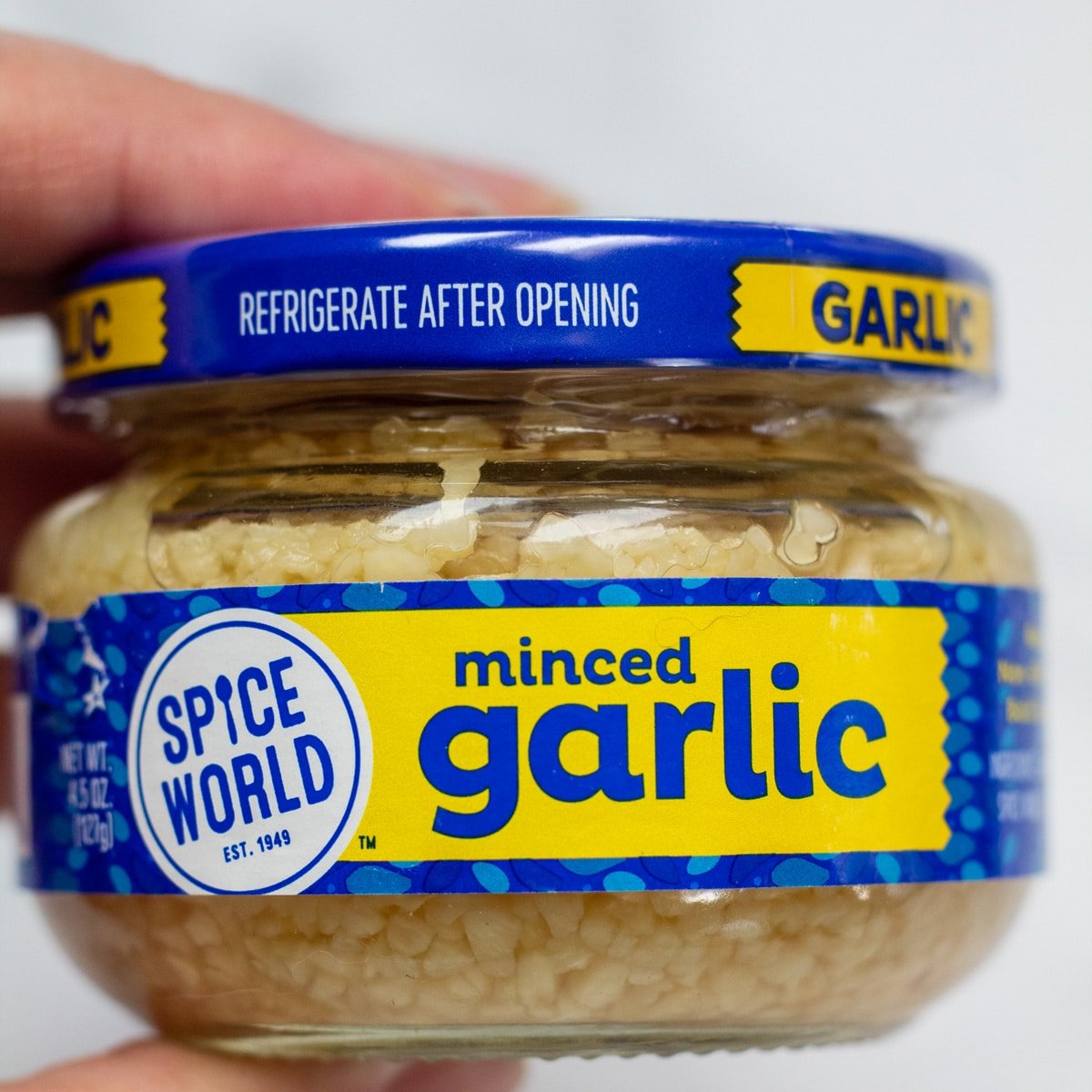
Unraveling the Mystery: How Much Minced Garlic Truly Equals a Clove?
Garlic is a cornerstone of global cuisine, revered for its pungent aroma and unparalleled flavor-boosting capabilities. From the delicate whisper of garlic in a stir-fry to the robust punch in a pasta sauce, its presence is often essential. Yet, a common kitchen conundrum arises for home cooks and seasoned chefs alike: deciphering the exact measurement when a recipe calls for a specific number of fresh cloves, but you only have minced garlic on hand, or vice-versa. Understanding how much minced garlic equals a clove is not just about accuracy; it's about achieving the perfect balance of flavor in your dishes, avoiding an overpowering garlic explosion or a disappointing lack thereof.
This comprehensive guide will demystify garlic conversions, focusing on the crucial fresh clove to minced garlic ratio, while also exploring substitutes like powders, flakes, and pastes. Arm yourself with this knowledge, and confidently tackle any garlic-related measurement challenge your recipes throw your way.
The Variable Nature of a Garlic Clove: Why "One Clove" Isn't Always Consistent
Before diving into precise measurements, it's vital to acknowledge that not all garlic cloves are created equal. The size and weight of individual cloves can vary significantly, even within the same head of garlic. Grocery store garlic bulbs typically contain 10-12 cloves, with each clove weighing anywhere from 4 to 7 grams. This natural variability means that a recipe calling for "two cloves" could result in vastly different garlic intensities depending on whether you've picked two small cloves or two jumbo ones.
For consistent results, volume measurements (like teaspoons or tablespoons) are often more reliable than simply counting cloves, especially when converting between fresh and processed forms. However, when a recipe insists on cloves, our aim is to find a reliable average to work with.
The Core Conversion: Fresh Garlic Cloves to Minced Garlic
This is where the magic happens and where many cooks seek clarity. When a recipe asks for fresh garlic cloves, and you're using pre-minced garlic (whether store-bought or prepared fresh), knowing the conversion is key. For an average, medium-sized garlic clove, here’s the widely accepted breakdown:
- 1 medium garlic clove yields approximately ½ teaspoon of minced garlic.
- Conversely, 1 teaspoon of minced garlic is roughly equivalent to 2 medium garlic cloves.
It's important to distinguish between "chopped" and "minced." Minced garlic is typically cut into much finer, smaller pieces than simply chopped garlic, which means it will pack more densely into a measuring spoon. If you were to merely chop a clove, you might get closer to 1 teaspoon of chopped garlic, but for truly minced garlic, ½ teaspoon is the standard.
Quick Conversion Chart: Cloves to Minced Teaspoons
Based on our standard of 1 medium clove = ½ teaspoon minced garlic:
- 1 garlic clove = ½ teaspoon minced garlic
- 2 garlic cloves = 1 teaspoon minced garlic
- 3 garlic cloves = 1 ½ teaspoons minced garlic
- 4 garlic cloves = 2 teaspoons minced garlic
- 5 garlic cloves = 2 ½ teaspoons minced garlic
- 6 garlic cloves = 3 teaspoons (or 1 tablespoon) minced garlic
Minced Garlic to Tablespoons: The Key Ratio
Often, recipes will call for a tablespoon of minced garlic. Given that 1 tablespoon equals 3 teaspoons, we can easily extrapolate our conversion:
- 1 tablespoon of minced garlic = 3 teaspoons of minced garlic.
- Since 1 teaspoon of minced garlic = 2 medium garlic cloves, then 3 teaspoons = 3 x 2 = 6 medium garlic cloves.
So, if your recipe requires 1 tablespoon of minced garlic, you'll need approximately 6 medium fresh cloves to achieve that volume. Keep in mind that a very large clove might yield closer to a full teaspoon of minced garlic, meaning you'd need fewer large cloves for a tablespoon. When in doubt, it's often better to under-garlic and add more later, as garlic flavor intensifies during cooking.
Beyond Fresh: Substituting Other Forms of Garlic
Sometimes fresh cloves aren't available, or convenience calls for a different form of garlic. Thankfully, a variety of garlic products offer excellent substitutes. Understanding their distinct characteristics and conversion ratios is key to a perfectly flavored dish. For a more exhaustive exploration of these alternatives, see our Garlic Conversion Guide: Cloves to Minced, Powder, & Paste.
Common Garlic Substitutes and Their Conversions for 1 Medium Fresh Clove:
- Garlic Powder: This dehydrated and finely ground form of garlic is highly concentrated. Its flavor profile is a bit mellower and less pungent than fresh raw garlic, but it becomes more robust when cooked.
- Conversion: 1 medium fresh garlic clove ≈ ¼ teaspoon garlic powder.
- Tip: Always use sparingly at first; you can always add more.
- Dried Garlic Flakes/Granules: These are larger pieces of dehydrated garlic that need to rehydrate in a dish. They offer a texture closer to finely chopped fresh garlic once rehydrated.
- Conversion: 1 medium fresh garlic clove ≈ ½ teaspoon dried garlic flakes/granules.
- Tip: Best used in dishes with sufficient liquid for rehydration.
- Garlic Salt: A blend of garlic powder and salt, typically in a 1:3 ratio (1 part garlic powder to 3 parts salt). It adds both garlic flavor and salinity.
- Conversion: 1 medium fresh garlic clove ≈ ½ teaspoon garlic salt.
- Crucial Note: When using garlic salt, remember to reduce or omit any other salt called for in the recipe to avoid over-salting your dish.
- Garlic Paste/Purée: Whether homemade or store-bought, garlic paste is a convenient "lazy" option that offers a smooth, intense garlic flavor without the effort of mincing. It typically has a consistency similar to fresh minced garlic.
- Conversion: 1 medium fresh garlic clove ≈ ½ teaspoon garlic paste/purée.
- Tip: Often used as a 1:1 replacement for minced garlic in recipes.
- Garlic-Infused Olive Oil: This isn't a direct substitute for the bulk or intensity of fresh garlic, but it's excellent for adding a subtle, aromatic garlic flavor throughout a dish. It's often used in cooking by replacing regular cooking oil.
- Conversion: Use to taste. Replace some or all of the cooking oil in a recipe.
- Special Note: Garlic-infused olive oil is often a safe, FODMAP-friendly option for those with sensitivities to fresh garlic.
Non-Garlic Substitutes
If you're out of all garlic forms or simply prefer a milder allium flavor, consider:
- Shallots: Offer a milder, sweeter, and more delicate onion-garlic flavor.
- Chives: Provide a fresh, onion-like herbaceousness with a hint of garlic.
- Green Onions (Scallions): The white parts can be used for a pungent kick, while the green tops add freshness.
Practical Tips for Perfect Garlic Usage
- Always Taste and Adjust: Garlic intensity can vary, even with fresh cloves. Start with a conservative amount, especially when using concentrated forms like powder, and add more if needed.
- Mind the Heat: Fresh minced garlic burns easily, turning bitter. Add it to your pan after sautéing onions or other aromatics, and cook just until fragrant (30-60 seconds) before adding liquids.
- Press vs. Mince vs. Slice: A garlic press yields a very fine, almost paste-like consistency, releasing maximum flavor. Minced garlic offers a similar flavor with a bit more texture. Sliced garlic provides a milder, more delicate flavor and visual appeal. Choose based on your recipe's desired outcome.
- Storage Matters: Store whole garlic bulbs in a cool, dry, dark place. Minced fresh garlic can be stored in an airtight container in the fridge for a few days or frozen in oil or water for longer preservation.
- Roasting mellows the Flavor: Roasting whole garlic cloves or heads transforms their sharp pungency into a sweet, mellow, almost buttery flavor perfect for spreads or mashed potatoes. This process significantly reduces the "heat" of raw garlic.
Conclusion: Your Garlic Conversion Mastered
Navigating the world of garlic measurements doesn't have to be daunting. By understanding that 1 medium fresh garlic clove equates to approximately ½ teaspoon of minced garlic, and extending this logic to deduce that 1 tablespoon of minced garlic comes from about 6 medium cloves, you now possess the fundamental knowledge to convert with confidence. Coupled with our detailed guide on substituting various forms of garlic, you are well-equipped to adapt any recipe to your available ingredients.
Embrace the versatility of garlic in all its forms. With these conversions and tips, you can ensure that every dish you prepare is perfectly balanced, deliciously aromatic, and a testament to your newfound garlic mastery.
